USMLE Step 1 first-time pass rate in 2024.1
85%
Get to know MUA at an event!

Explore benefits and opportunities for those studying Basic Science on the island of Nevis.
Choosing a medical school is an important decision that can shape your education, clinical experience and future career. For students exploring alternatives to medical schools in the United States or Canada, Caribbean medical schools offer another route to pursuing a medical degree.
Understanding accreditation, admission requirements, tuition, clinical training and residency opportunities can help you evaluate your options. This guide explores what to consider when choosing a Caribbean medical school and how Medical University of the Americas (MUA) supports students preparing for careers in medicine.
Caribbean medical schools educate students from a range of academic backgrounds, including students from the United States, Canada and other countries. Many offer medical programs structured to prepare graduates for further training and potential licensure in North America, subject to the requirements of the relevant jurisdictions.
Programs vary by institution, including their accreditation, curriculum, clinical affiliations, admission requirements and student support services. Prospective students should evaluate each school individually rather than assuming that all Caribbean medical schools offer the same educational experience or career opportunities.
Not all Caribbean medical schools have the same accreditations, educational structures or student outcomes. Before applying, look beyond the school’s location and consider the factors that influence your education and future opportunities.
When comparing Caribbean medical schools, review their accreditation and approvals. Students planning to practice in the United States should also verify current eligibility requirements for licensing exams, clinical rotations, residency and state licensure.
MUA’s MD program is accredited by the Accreditation Commission on Colleges of Medicine (ACCM). Prospective students can review MUA’s accreditation and approvals for further details.
The United States Medical Licensing Examination (USMLE) assesses medical knowledge and clinical decision-making at different stages of a physician’s training. Students considering medical schools should review first-time examination pass rates, residency placement data and how each institution defines and reports these outcomes.
For context, MUA reported the following results on its four-year MD program page:
1. First-time pass rate defined as total number of students passing the USMLE Step 1 on their first attempt divided by the total number of students taking USMLE Step 1 for the first time in calendar year 2024. In order to sit for the USMLE Step 1 exam, the student must successfully complete the Basic Science curriculum and such other prerequisites as the school may establish at its discretion.
2. First-time pass rate defined as total number of students passing the USMLE Step 2 CK on their first attempt divided by the total number of students taking USMLE Step 2 CK for the first time in calendar year 2024. In order to sit for the USMLE Step 2 CK exam, the student must successfully complete the Clinical Medicine curriculum and such other prerequisites as the school may establish at its discretion.
3. 93% Three-Year Residency Placement Rate is the percentage of students attaining a residency position out of all graduates or expected graduates in 2023-24, 2024-25 and 2025-26 who were active applicants in the NRMP match or attained a residency outside the NRMP match.
These figures measure different outcomes and should be considered alongside the school’s curriculum, academic support and reporting methodology. Individual results vary, and no examination result or residency placement is guaranteed.
Review how a medical school’s curriculum combines foundational sciences, clinical knowledge and practical learning. Consider whether teaching includes lectures, laboratory work, small-group activities, simulations and opportunities to apply medical concepts to patient care.
An integrated curriculum can help students connect scientific principles with clinical practice. Ask how assessments are structured, what academic resources are available and how the curriculum prepares students for the demands of medical licensing examinations.
Medical school requires sustained academic effort, effective study habits and the ability to adapt to a demanding learning environment. Academic advising, faculty access, tutoring and student services can help students identify areas for improvement and develop effective learning strategies.
Clinical training allows medical students to apply classroom knowledge in supervised healthcare settings. Compare the length and structure of clinical rotations, the hospitals and clinics involved, the specialties available and the process for securing clinical placements.
Students should also determine whether the clinical experience aligns with the requirements of their intended residency programs and future licensing jurisdiction.
Evaluate how medical schools support students with residency applications, specialty selection, interview preparation and the matching process. While schools can provide guidance, residency placement depends on individual performance, application strength and program requirements.
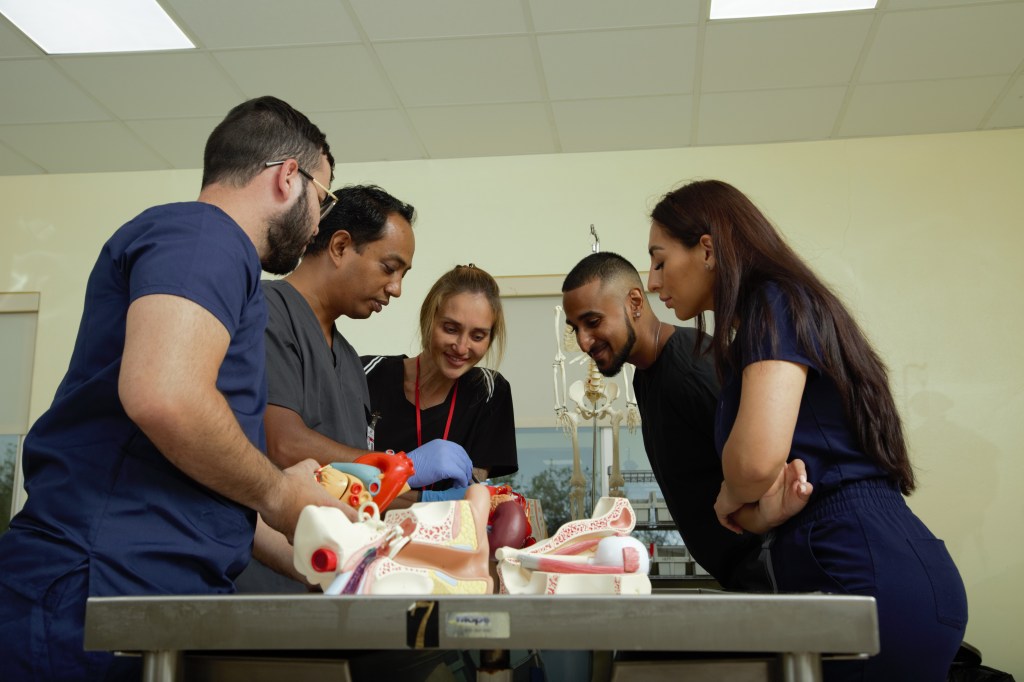
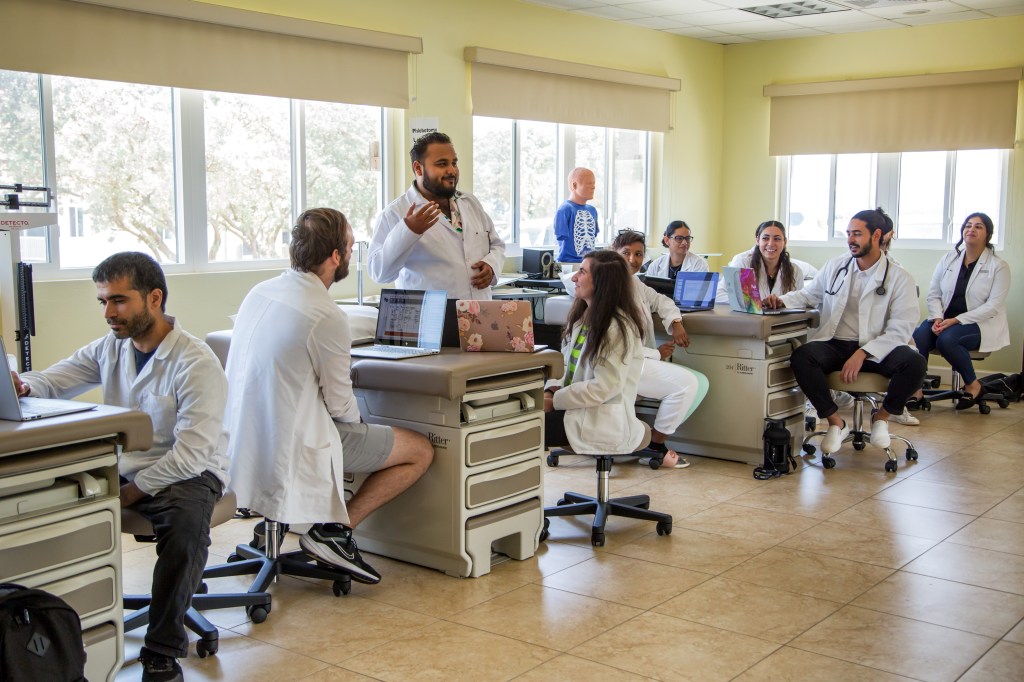
Caribbean medical schools offer an alternative pathway to medical education for students considering options outside the United States or Canada.
Caribbean medical schools may offer four-year MD programs, preparatory programs or combined undergraduate and medical education pathways. Admission requirements and program structures vary by institution.
Caribbean medical schools may offer four-year MD programs, preparatory programs or combined undergraduate and medical education pathways. Admission requirements and program structures vary by institution.
Some Caribbean medical schools offer clinical rotations at affiliated teaching hospitals in the U.S. and Canada, providing supervised clinical experience. However, completing these rotations does not guarantee residency placement or medical licensure.
Caribbean medical schools with favorable student-to-faculty ratios can offer a more personalized learning experience. Direct faculty interaction, individualized academic guidance and one-on-one feedback can help students better understand complex medical concepts and receive ongoing support throughout their medical education.
Caribbean medical schools bring together students from diverse cultural and educational backgrounds. This multicultural learning environment can broaden healthcare perspectives, strengthen cultural awareness and develop adaptability.
Some Caribbean medical schools offer multiple start dates throughout the year, giving students greater flexibility to begin their medical education without waiting for a single annual intake. Admission deadlines and availability vary by institution.
Caribbean medical schools may offer flexible pathways for traditional pre-med students, students transitioning from other academic disciplines and non-traditional applicants. Some institutions provide preparatory programs to help students strengthen their academic foundation, complete prerequisites and prepare for entry into an MD program. Admission requirements vary by institution.
For students planning to pursue U.S. medical training, USMLE preparation and residency advising are important considerations when choosing a school.
Review how the curriculum supports preparation for Step 1 and Step 2 CK, what academic resources are available and how students receive guidance during the residency application process. Students should also verify current eligibility requirements for examinations and postgraduate training.
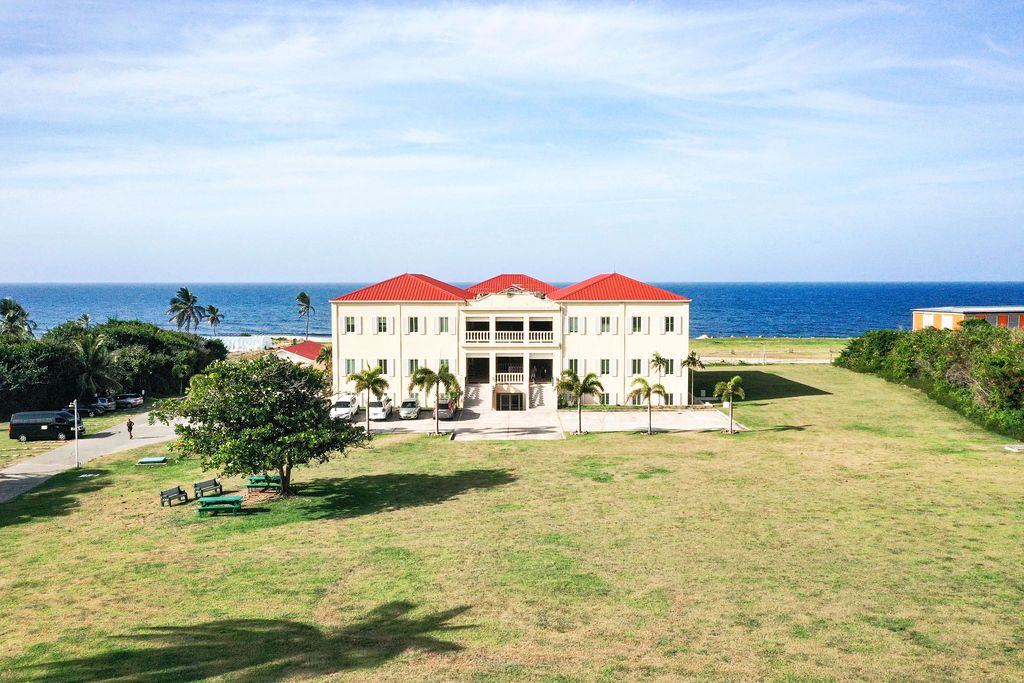

Medical school involves more than lectures, laboratory sessions and examinations. For students studying on a Caribbean island, the experience also includes adjusting to a different living environment, building a support network and balancing academic responsibilities with personal well-being.
Medical programs are academically demanding, regardless of where students study. Expect a structured schedule that includes lectures, independent study, assessments and collaborative learning.
Students must develop consistent study habits and manage their time effectively. Before enrolling, learn about the academic calendar, campus facilities, learning resources and support services available to help you adapt to the program.
A supportive student community can make a difference during medical school. Peer study groups, student organizations, campus activities and opportunities to connect with faculty can help students build relationships and maintain a sense of connection.
Ask prospective schools about student clubs, academic support groups, wellness resources and opportunities to participate in campus life outside the classroom.
Studying in the Caribbean means adjusting to island life while meeting the demands of a medical program. Students should research housing, transportation, groceries, healthcare access, internet connectivity and other everyday expenses before relocating.
Consider the distance from family and friends, travel arrangements during academic breaks and the practical steps involved in moving abroad. Understanding these details can help you prepare financially and personally for the transition.
Students at Caribbean medical schools may encounter a range of healthcare perspectives through their studies and clinical training. The nature of this exposure depends on the institution’s curriculum, clinical affiliations and opportunities for supervised patient care.
Caribbean medical schools can help prepare students for the transition from medical education to postgraduate training. However, students must understand the requirements that apply to international medical graduates and the specific residency pathways they intend to pursue.
Students preparing for residency need a strong foundation in medical knowledge, clinical reasoning, communication and patient care. Medical school coursework, clinical rotations and examination preparation can help develop these competencies.
Applicants should also understand the role of USMLE results, academic records, recommendation letters, clinical experience and residency interviews in the application process.
Clinical rotations provide opportunities to learn from healthcare professionals, observe different specialties and develop practical skills under supervision.
For example, MUA’s clinical medicine curriculum includes an eight-week research module followed by 72 weeks of clinical rotations at affiliated teaching hospitals in the United States and Canada. Students complete core rotations and electives as part of their clinical education.
Residency preparation may involve specialty exploration, application planning, interview preparation and guidance on the residency matching process.
Ask schools how advising is delivered, when students begin preparing their applications and what resources are available throughout the process. It is also important to review residency placement figures carefully, including the reporting period, eligibility criteria and the proportion of students represented in the reported results.
MUA shares information about its graduates’ outcomes and residency placements through its graduate success resources.
Not receiving an offer from a U.S. medical school can be disappointing, but it does not necessarily mean you must abandon your goal of becoming a physician. Depending on your circumstances, exploring Caribbean medical schools may help you identify additional options.
Before making a decision, take time to review your original application and determine where it could be strengthened.
Consider the following steps:
Caribbean medical schools should be evaluated with the same care as any other medical school. Rather than choosing a program based solely on admission availability, consider whether its educational structure, costs and graduate outcomes align with your long-term goals.
Applicants should also understand that admission to a Caribbean medical school does not guarantee completion of the program, residency placement or medical licensure.
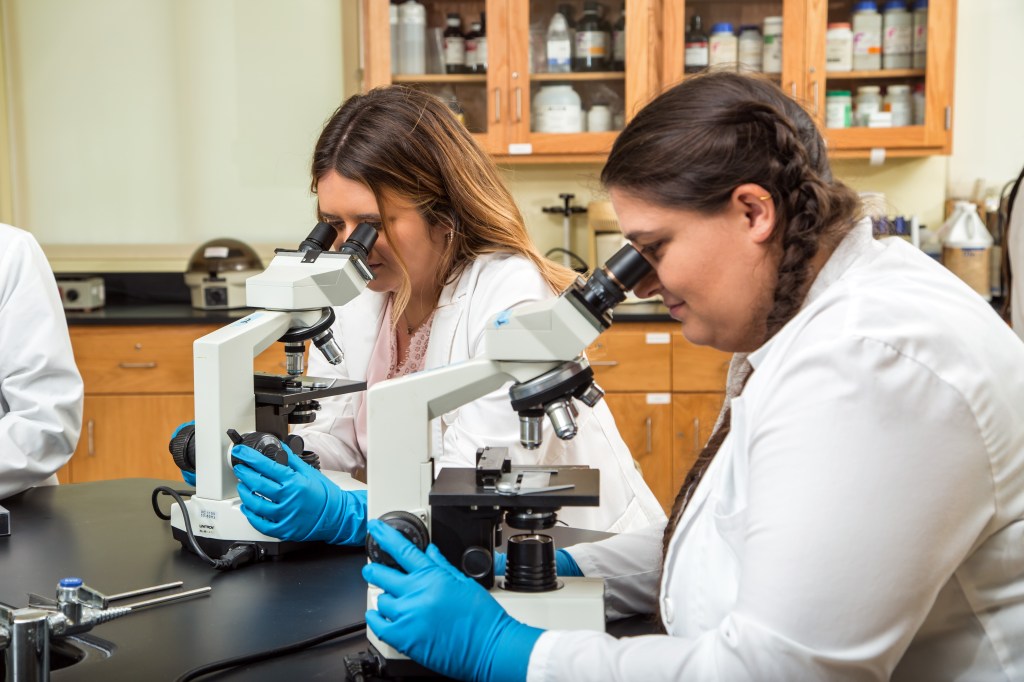

Application processes vary by institution. Review program-specific requirements and prepare your documents early to avoid delays.
Compare schools based on accreditation, curriculum, clinical training, tuition, location and residency preparation.
Common admission requirements include:
Some schools offer preparatory programs for applicants who need additional academic preparation.
Gather transcripts, recommendation letters and other required documents. Prepare a personal statement highlighting your motivation, relevant experiences and readiness for medical study.
Complete the application form, submit the required documents and confirm application deadlines and start dates.
If accepted, review tuition fees, deposit requirements, financial aid eligibility and any admission conditions before accepting the offer.
Arrange housing, travel and finances before your start date. International students should also confirm applicable immigration and travel requirements.
Interested in Applying to MUA?
Explore the four-year MD program and review the university’s admission requirements to learn more about eligibility and the application process.
Choosing a medical school means finding a program that aligns with your academic needs, career goals and financial circumstances. Located on the island of Nevis, Medical University of the Americas offers a four-year MD program that combines foundational medical sciences, research and clinical training in North America.
MUA’s program is designed to prepare students for the next stages of medical training through an integrated curriculum, faculty support and clinical experience. Prospective students can explore the following features when deciding whether MUA is the right fit.
At Medical University of the Americas (MUA), your medical education is built around personalized learning, dedicated faculty support and preparation for clinical practice. With a 5:1 student-to-faculty ratio, students benefit from a more individualized learning environment, a U.S.-modeled medical curriculum and academic support throughout their studies.
MUA’s four-year MD program consists of 10 semesters, combining foundational medical science education with research and clinical training.
The curriculum includes:
This structure is designed to help students develop foundational medical knowledge before applying it in supervised clinical settings. Explore the four-year MD program for further curriculum details.
MUA’s MD program is accredited by the Accreditation Commission on Colleges of Medicine (ACCM). The university also holds approvals and recognitions relevant to U.S. federal student aid and clinical training in certain states.
Clinical training gives students opportunities to develop patient-care skills, apply medical knowledge and explore potential specialties under professional supervision.
MUA’s clinical curriculum includes core rotations in internal medicine, surgery, obstetrics and gynecology, pediatrics and psychiatry, alongside elective opportunities in additional specialties.
Review the clinical training curriculum and graduate success information to learn more about these opportunities and outcomes.
Students may need different types of support as they progress through medical school. MUA provides access to faculty and academic resources intended to help students navigate the curriculum and prepare for required examinations.
The cost of Caribbean medical schools varies considerably, making a detailed financial comparison essential.
MUA publishes its tuition and administrative fees by program and academic term. Review the current tuition and fees information and confirm your financial aid eligibility before enrolling.
MUA is approved to participate in U.S. federal student aid programs, subject to applicable eligibility requirements. Financial aid options depend on the student’s citizenship, program and circumstances.
MUA offers program options for students at different stages of their academic preparation, including its four-year MD program and pre-medical pathways.
Applicants should review the requirements, duration and progression criteria for each option to determine which program fits their educational background. Start dates and availability can vary by program and term, so confirm the current academic calendar with admissions.
Studying medicine on Nevis offers an opportunity to learn in a Caribbean island setting while preparing for clinical training in North America.
Prospective students should consider how the location, campus environment, housing arrangements and student services fit their needs. Reviewing these practical details before enrollment can help students prepare for the academic and personal adjustments associated with studying abroad.
Student and alumni perspectives can provide insight into academic expectations, faculty interactions, campus life, clinical training and the transition to residency.
Explore MUA’s graduate success stories to learn about graduates and their medical careers.
MUA graduate Thomas Greco, MD, reflects on his experience at Medical University of the Americas, sharing how faculty mentorship and academic support helped prepare him for residency and his career in internal medicine.
Watch Dr. Thomas Greco’s medical journey:
Start dates vary by institution and program. Some Caribbean medical schools offer multiple entry points throughout the year, while others follow different academic calendars. Check the school’s current admissions information for available terms, application deadlines and enrollment requirements.
A Caribbean medical degree does not automatically confer eligibility for medical licensure in the United States. Eligibility depends on the medical school’s accreditation and recognition, the graduate’s qualifications, applicable examination requirements and the rules of the relevant licensing jurisdiction. Students should verify current requirements before enrolling.
Some Caribbean medical schools offer preparatory programs or alternative pathways for applicants who need to strengthen their academic foundation. However, admission requirements vary by institution and program. Review the required coursework, minimum academic standards and available pathways with the admissions team before applying.
Opportunities vary by institution. Some Caribbean medical schools offer curricula modeled on U.S. medical education and clinical rotations in the United States or Canada. However, accreditation, clinical affiliations, examination eligibility, residency access and licensing requirements may differ. Compare individual programs carefully rather than assuming that all medical schools offer equivalent opportunities.
Some Caribbean medical schools offer multiple start dates each year, giving applicants additional opportunities to begin their studies. Availability depends on the school and program. Check the current academic calendar and application deadlines to confirm which entry periods are available.
The cost difference depends on the institutions being compared and what each published figure includes. Consider tuition, administrative fees, housing, transportation, insurance, books, examination fees and travel. Also investigate financial aid eligibility and payment arrangements. Compare the total estimated cost of attendance rather than tuition alone.
Ready to start your application?
Explore the admission requirements, create your online application or connect with an MUA admissions advisor to discuss your next steps.
Request More Information