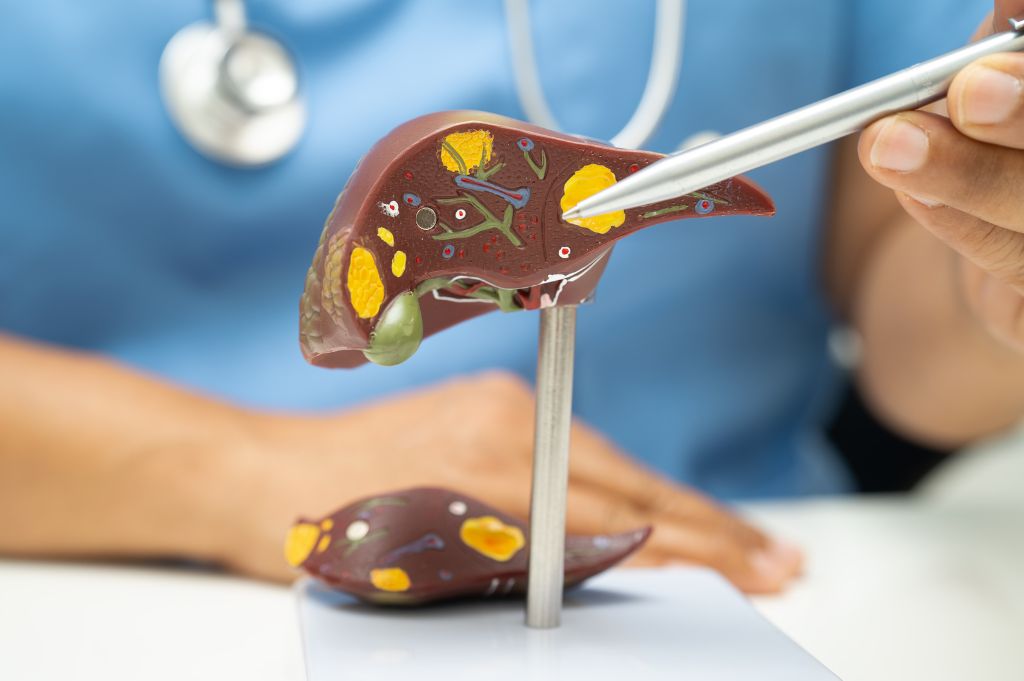
Gastroenterology and Hepatology: What’s the Difference?
Explore how these two medical specialties relate in terms of practice, educational pathways and projected career outcomes.
While gastroenterologists and hepatologists focus on different parts of the body, there are many similarities between the two. In fact, there can often be an overlap in the medical conditions that both treat.
Identifying the differences between gastroenterology and hepatology can give you a clearer picture when it comes to choosing your preferred field. In this guide you can learn about the key differences between gastrology and hepatology, including duties, MD program pathways and career opportunities.
What Is Gastroenterology?
Gastroenterology is a medical specialty that covers medical conditions related to the digestive tract, which includes the:
- Stomach
- Esophagus
- Small and large intestines
- Liver and bile duct
- Gallbladder
- Pancreas
Common conditions treated by gastroenterologists include irritable bowel syndrome (IBS), acid reflux and various cancers.
What Does a Gastroenterologist Do?
A gastroenterology specialist is qualified to deliver certain exams and gastroenterologist procedures that general physicians do not perform. For example, if more information is needed after a physical exam, they may perform an endoscopic procedure, which involves looking inside the body using a tiny video camera known as an endoscope.
Common gastroenterologist treatments include prescribing medication, recommending dietary changes and sharing lifestyle advice.
Some gastroenterologists specialize in pediatric gastroenterology. A pediatric gastroenterologist works with children and young people who are diagnosed with gastrointestinal conditions, such as Crohn’s or IBS.
What is Hepatology?
Hepatology is a subspecialty of gastroenterology that focuses solely on medical conditions affecting the liver, bile duct, gallbladder and pancreas, including serious conditions such as liver cancer, hepatitis infections, metabolic liver diseases and cirrhosis.
What Does a Hepatologist Do?
A hepatologist doctor is a liver specialist who will assess patients who have been referred to them by their general practitioner. They are qualified to perform several specialized procedures, including endoscopic exams and x-ray imaging. In addition to treating patients, hepatologists are often involved with active research studies aimed at discovering novel approaches to diagnosing and treating hepatological diseases.


Hepatologist vs. Gastroenterologist: The Key Differences
While the medical conditions they treat can overlap, there are a number of differences between hepatologists and gastroenterologists.
The key difference is that hepatologists are experts in issues specific to the liver and surrounding areas, whereas gastroenterologists focus on a broad range of digestive concerns, including but not limited to the liver.
When it comes to treating medical conditions, a hepatology doctor is qualified to perform several tests, including bloodwork and imaging, to diagnose a liver condition. Hepatologists can also specialize in liver transplants and managing advanced liver disease, although this requires specialized training.
A gastroenterologist is trained to diagnose and treat conditions that affect the entire digestive tract, including the liver. This includes issues affecting the stomach, large and small intestines and digestive tract cancers like esophageal cancer.
Gastroenterologists can also diagnose and treat liver conditions, using similar exams and procedures as a hepatologist. However, for more serious liver conditions they will refer the patient to a hepatologist.
Hepatologist and Gastroenterologist Education and Training Pathways
The training and education required to become a gastroenterologist or hepatologist differ, but both require an extensive commitment that will require many years before you are fully qualified.
The pathway to becoming a gastroenterologist typically takes around 14 years, including four years as an undergraduate, four years in medical school, typically a three-year residency in internal medicine, and then three years in a gastroenterology fellowship program.
Hepatologists follow a similar pathway to gastroenterologists, completing a four-year medical degree and three-year residency program. They also complete a three-year gastroenterology fellowship, which includes the study of hepatology.
Some hepatologists become certified gastroenterologists before completing an additional fellowship focused on hepatology, which typically lasts one or two years. Becoming a certified transplant hepatologist can require an additional one-year training program. This means that the pathway to becoming a hepatologist can take an additional 2-3 years when compared to the standard gastroenterology journey.
Curious About Medical School?
Contact our admissions team to discover more about academic opportunities at Medical University of the Americas.
Hepatology and Gastroenterology Careers, Salary and Job Outlook
While becoming certified in hepatology and gastroenterology requires a significant amount of training and education, both specialties offer rewarding career opportunities.
The demand for gastroenterologists in the U.S. is higher than ever thanks to an ageing population, advancing technology and evolving healthcare needs. More than 20 million Americans suffer from chronic digestive issues, with conditions such as IBS and colon cancer on the rise.
Serious liver diseases, such as cancer and liver failure, are also expected to increase due to the ageing population, meaning that fully trained hepatologists are also in-demand across the U.S.
The average hepatologist salary in the United States is $428,874 USD a year (November 2025), which could increase depending on factors such as expertise, experience and where you’re working. The average gastroenterologist salary in the U.S. is $434,500 USD per year (November 2025), which can also vary based on similar factors.
As you can see, salary expectations are similar, which is in line with the similarities between areas of focus and education pathways for hepatologists and gastroenterologists.
Conclusion
Studying clinical gastroenterology and hepatology offers an opportunity to improve patients’ lives, contribute to essential research and enjoy a long, rewarding career. If you are focused on pursuing one of these medical specialties as a practicing physician, Medical University of the Americas (MUA) can help you achieve your goals!
Since 1998, MUA has delivered the education and training needed for 1,800+ students to earn their Doctor of Medicine (MD) degrees. We consistently provide aspiring doctors with individualized support from dedicated faculty and access to hands-on learning experiences, which work together to foster academic, personal and long-term career success.
As part of our efforts to support the next generation of medical doctors, we also offer four pre-med pathway programs (Pre-Medical Master’s, 5-year BSc/MD, 6-year BSc/MD and Gateway) that help people with different knowledge levels begin their MD journeys.
Learn more about our learning community and student opportunities in this alum testimonial video:
Then start your own application or contact us for more information!
FAQs About Gastroenterology and Hepatology
Gastroenterologists treat conditions affecting the entire digestive system, including but not limited to the liver and bile duct. Common gastroenterology diseases include Crohn’s and IBS. Hepatologists, on the other hand, specialize in treating conditions affecting the liver, bile duct, gallbladder and pancreas. This includes serious conditions such as cancer and advanced liver diseases.
Hepatologists are liver specialist doctors. Common conditions that hepatologists diagnose and treat include fatty liver disease, viral hepatitis and alcohol-related liver diseases.
You may be wondering when to see a gastroenterologist. You’ll be referred to a gastroenterologist if you are currently experiencing digestive issues such as abdominal pain, acid reflux or changes to your bowel habits.
Generally, gastroenterologists can diagnose and treat certain liver diseases. However, for more serious conditions a patient will be referred to a hepatologist.
Useful Links
MUA is committed to supporting prospective students throughout the admissions process. Please click the following links for detailed information about each topic: