How Caribbean Medical Schools Prepare Students for Clinical Rotations in the U.S.
Discover your pathway to medical rotations, residency and practice in North America.
Choosing to pursue a career as a practicing physician is one of the most meaningful decisions you’ll ever make, and selecting the right MD program and medical school will be an important part of that journey. For many aspiring physicians, Caribbean medical schools with clinical rotations in the U.S. and Canada offer an exceptional pathway to achieving their dreams, by providing comprehensive medical education combined with hands-on training in North American healthcare facilities.
At Medical University of the Americas (MUA), we understand that clinical rotations represent a pivotal moment in your medical education, where classroom knowledge transforms into practical skills. Understanding what clinical rotations are and how to prepare for clinical rotations is essential for every medical student. For students at Caribbean medical schools with strong U.S. residency placement records like MUA, clinical rotations serve as more than just a graduation requirement. They’re your opportunity to demonstrate competence, build professional relationships and prove you’re ready for medical residency in the U.S. and Canada.
Overview of Clinical Rotations in Caribbean Medical Schools
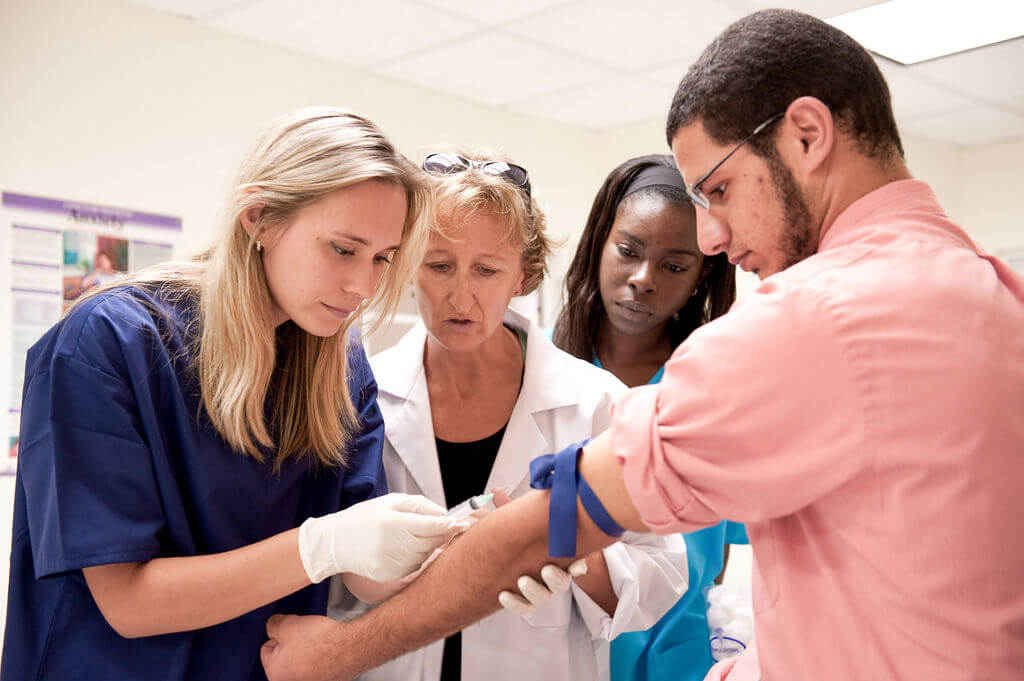
Clinical rotations, sometimes called clerkships, are supervised hands-on training experiences where you work directly with patients under licensed physicians’ guidance. Think of clinical rotations as your apprenticeship in medicine, where you move beyond textbooks to apply your knowledge in real healthcare settings.
These rotations serve several critical purposes. They help you develop clinical reasoning skills that can’t be taught from textbooks alone, expose you to different medical specialties and build the professional skills that postgraduate residency programs seek. At MUA, clinical rotations span 72 weeks and include core rotations (Internal Medicine, Surgery, Pediatrics, OB-GYN and Psychiatry) plus elective rotations in specialties that interest you.
Differences Between Pre-Clinical and Clinical Training Phases
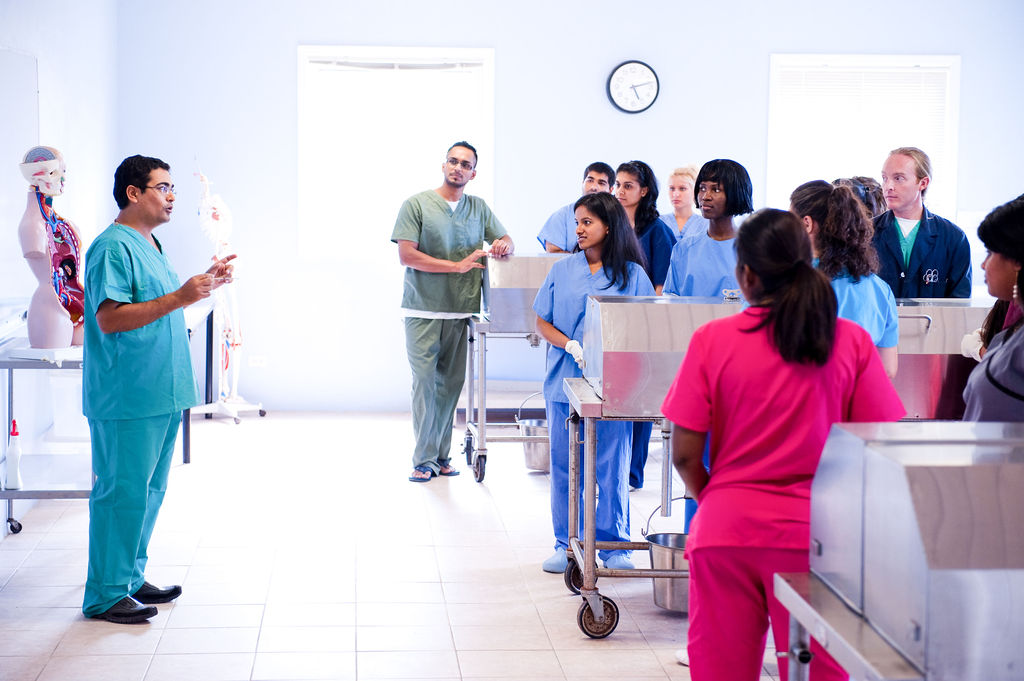
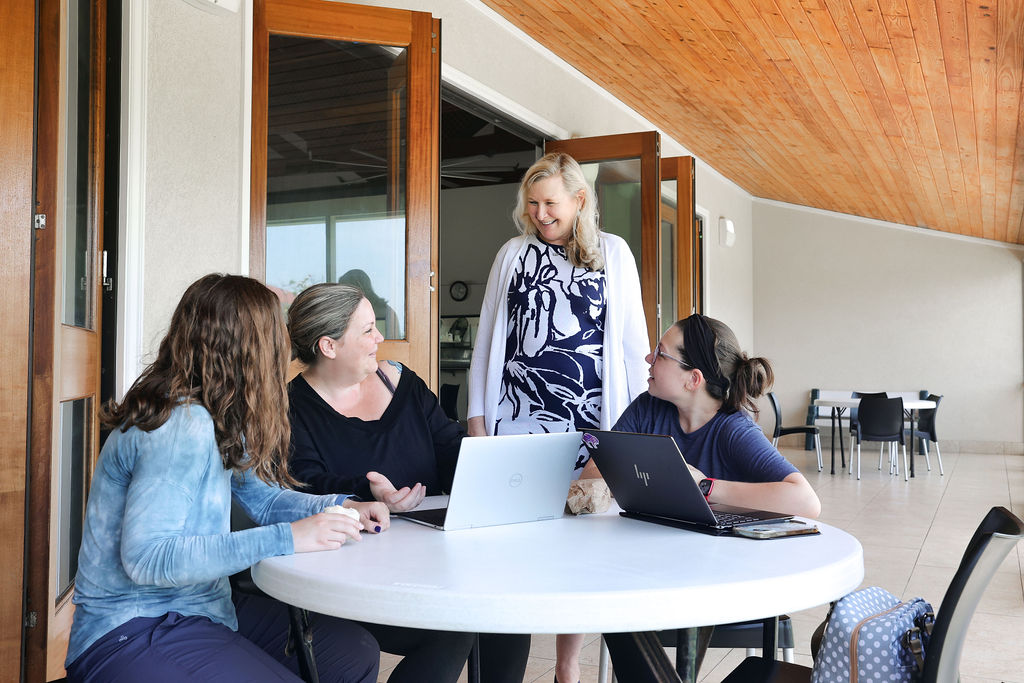
The pre-clinical phase, called Basic Science, focuses on helping students build foundational knowledge through subjects like anatomy, biochemistry and pharmacology. You’ll spend most of your time in lectures and labs, preparing for the USMLE Step 1.
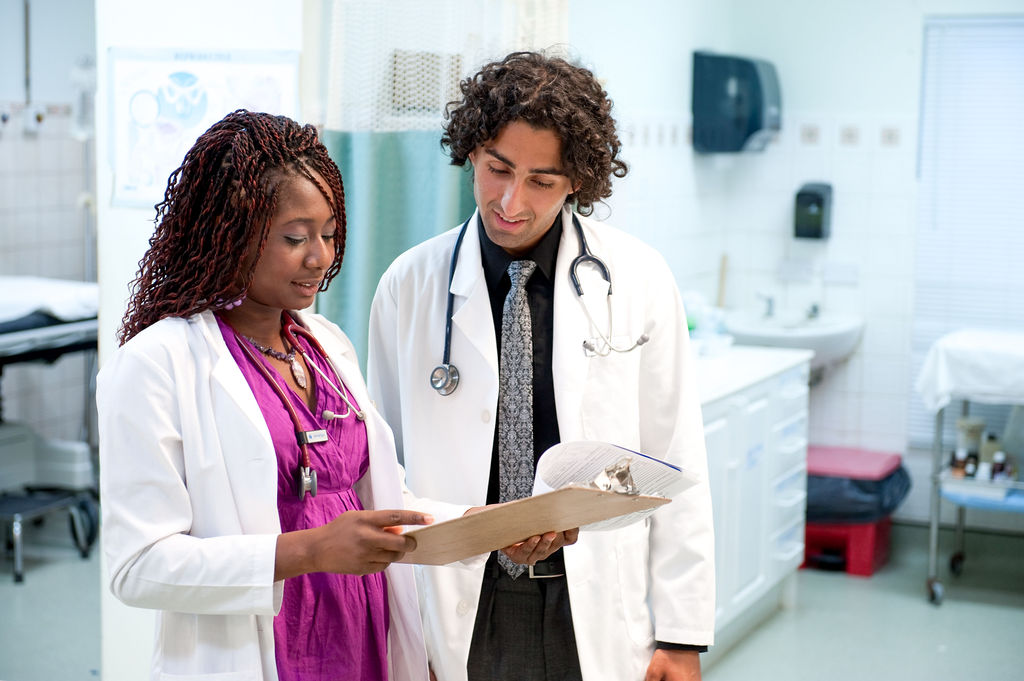
The clinical phase represents a dramatic shift. Instead of sitting in lectures, you’re on your feet in hospitals learning with real patients. You’ll work long hours, arriving before dawn for rounds and staying late to follow up on patients. The focus moves from knowing information to applying it effectively.
This transition matters for residency because program directors want evidence you’ve successfully navigated the shift from student to clinical practitioner. For international medical graduates, excelling during U.S.-based clinical rotations demonstrates your familiarity with North American medical practices and readiness for residency training.
Types of Hospitals and Healthcare Settings for Clinical Rotations
You’ll rotate through diverse settings, each offering unique learning opportunities. Teaching hospitals expose you to complex cases and cutting-edge treatments. Community hospitals provide hands-on experience with common conditions like diabetes and hypertension. Outpatient clinics teach preventive medicine and chronic disease management. VA and public hospitals develop your resourcefulness while serving underserved populations.
How U.S. and Canada Clinical Rotations Prepare Students for USMLE and Residency Success
Clinical rotations directly prepare you for the USMLE Step 2 CK (Clinical Knowledge) by giving you daily practice in the skills the exam tests. The cases you encounter make abstract concepts concrete, helping information stick in ways passive studying cannot achieve.
Your performance during rotations influences your performance evaluation, clerkship results and letters of recommendation. When you rotate through U.S. hospitals, attending physicians observe your work ethic, clinical skills and professionalism. Strong performers receive enthusiastic recommendation letters that carry significant weight in residency applications.
At MUA, students complete their clinical medicine training through a comprehensive program emphasizing both breadth and depth of clinical experience. MUA MD program participants undertake clinical rotations at associated teaching hospitals, clinics and medical centers in the U.S. (including ACGME-approved locations), and at select elective rotation sites in Canada. Strategic selection of elective rotations and sub-internships strengthens your residency application in your chosen specialty.
How Can Caribbean Medical Students Get Clinical Rotations in the U.S.?
Securing U.S. clinical rotations requires preparation and planning. You must successfully complete Basic Science, pass USMLE Step 1, and complete background checks and health clearances. Your school’s clinical placement office will help you arrange rotations at affiliated hospitals.
MUA has established relationships with teaching hospitals across the United States and Canada, creating pathways for students to complete training in North American healthcare settings. Clinical advisors help you select appropriate rotations based on your career goals and guide you through the application process.
Learn more about MUA’s approach to studying medicine in the Caribbean.
Want to Learn More?
Contact us for more info about MUA and our rotation opportunities.
What to Look for When Evaluating Clinical Rotation Opportunities
Look for hospitals with solid reputations for patient care and medical education. The best rotations feature engaged teaching physicians and substantial hands-on experience opportunities, where you’ll examine patients, present cases and participate meaningfully in care decisions. Geographic location matters too – rotating in regions where you’d like to complete residency helps you build connections with potential programs. You should also consider rotations that offer strong support services, including housing assistance and professional guidance.
Common Myths About Caribbean Medical School Clinical Rotations
Several misconceptions exist about Caribbean medical schools and clinical rotations. The truth is that established schools like MUA have partnerships with reputable U.S. and Canadian hospitals, providing comprehensive training that meets professional North American standards. In addition, once you’re in clinical rotations, your performance and professionalism determine how you’re treated, not where you completed your pre-clinical education.
Tips to Maximize Your Clinical Rotation Experience
During rotations, always strive to be reliable and professional, meaning show up on time, complete tasks effectively and communicate clearly. Ask thoughtful questions and seek feedback regularly. Build relationships with your team, as these connections can lead to residency opportunities, mentorship and recommendation letters. Document your experiences for your personal statement and interviews. Regularly connect clinical experience to licensing preparation by reviewing USMLE-style questions after seeing patients.
Conclusion
Caribbean medical schools with clinical rotations in the U.S. and Canada, like Medical University of the Americas, provide a proven pathway for aspiring physicians to achieve their dreams. Through comprehensive clinical training in North American healthcare settings, students develop the skills, knowledge and professional relationships needed for successful medical careers.
Understanding what clinical rotations are and how to prepare for clinical rotations gives you a head start in this transformative phase. As a Caribbean medical school with U.S. residency placement success, MUA has demonstrated its commitment to student achievement. Our Basic Science program provides the knowledge you need to succeed, and our affiliations with teaching hospitals in the United States and Canada provide a pathway to residency and practice in North America.
If you’re ready to take the next step toward your medical career, explore MUA’s comprehensive 4-year MD program. Our supportive learning environment, experienced faculty and commitment to clinical success can help you achieve your academic, personal and career practice goals.
See where an MUA MD education can take you by watching this recap video of our 2025 commencement ceremony:
Then start your own medical school journey by learning how to apply or contacting us with any questions. Attending a live or virtual event is also a great way to learn more about MUA and connect with our admissions team.
FAQs About Clinical Rotations
Yes, clinical rotations in the U.S. and Canada are highly valuable for USMLE Step 2 CK success. These rotations reinforce the clinical knowledge and reasoning skills the exam tests, making questions more intuitive by connecting abstract concepts to real patient experiences.
Securing residency is competitive but achievable. Success depends on your USMLE scores, clinical rotation performance, recommendation letters and strategic applications. Attending an accredited Caribbean medical school with established hospital partnerships in North America significantly improves your chances.
Yes, accredited Caribbean medical schools are recognized in the United States. The MUA MD program is accredited by the Accreditation Commission on Colleges of Medicine (ACCM), which is recognized by the World Federation of Medical Education (WFME). WFME standards have been deemed comparable to the standards used to accredit medical schools in the United States by the U.S. Department of Education’s National Committee on Foreign Medical Education and Accreditation (NCFMEA).
No, medical students don’t receive payment during clinical rotations. These rotations are part of your medical education, and you remain a student during this training period. While you won’t earn income, you’re investing in clinical experience that will prepare you for residency and eventual practice as a licensed physician.
Useful Links
MUA is committed to supporting prospective students throughout the admissions process. Please click the following links for detailed information about each topic: