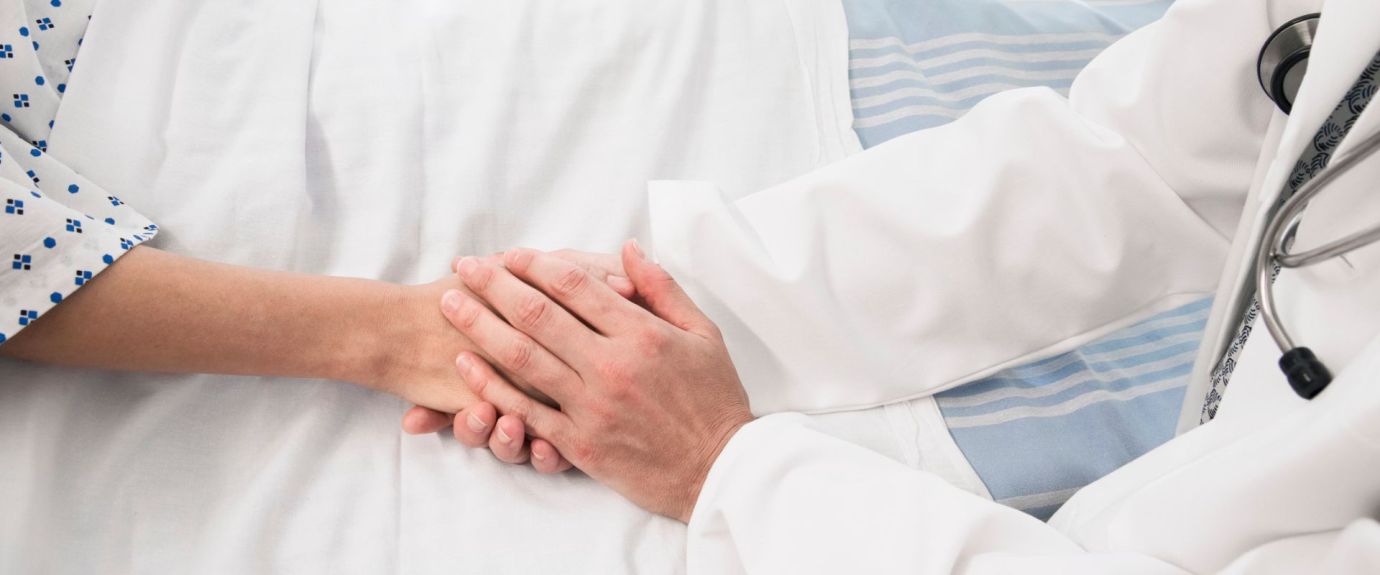
How to Develop Good Bedside Manner: A Guide for Medical Students
Learn how to develop good bedside manner and build patient trust through empathy, active listening and clear communication, with practical tips you can apply throughout medical school.
Ask any experienced physician what separates a good doctor from a great one, and medical knowledge alone rarely tops the list. Good bedside manner does. It is the quality that turns a clinical encounter into a moment of genuine care, and it is just as teachable as anatomy or pharmacology.
So, what is bedside manner, exactly? It is how a physician communicates with, listens to, and treats a patient, and it shapes everything from patient trust to treatment outcomes. For aspiring physicians, learning how to develop good bedside manner should start early, alongside the science, not after it.


What Is Good Bedside Manner?
Good bedside manner is the combination of communication, interpersonal, and professional behaviors a physician uses when interacting with patients and their families. A practical definition of bedside manner includes how a doctor speaks, listens, responds to concerns, and shows respect during a clinical encounter. It is an integral part of patient centered care and builds the foundation of trust every doctor-patient relationship needs.
Why Is Good Bedside Manner Important for Medical Students?
Developing bedside manner for doctors matters long before graduation, because the habits students build now carry into every future patient interaction.
Building Patient Trust and Confidence
Patients open up when they feel heard. Strong patient rapport encourages honesty about symptoms, lifestyle, and concerns that might otherwise go unmentioned.
Improves Doctor – Patient Communication
Clear, two-way patient communication reduces misunderstandings about diagnoses, treatment plans, and medication instructions.
Supports Better Patient Outcomes
Research consistently links high-quality clinical communication to improved adherence and satisfaction.
Strengthens Professionalism Throughout Medical Training
Consistent, respectful communication reflects well not just on the student, but on their training institution and future colleagues.
Prepares Students for Clinical Rotations
Early habits in empathy and listening translate directly into confidence once real patients, not case studies, are involved.
Essential Good Bedside Manner Skills Every Future Doctor Should Develop
Every one of the traits below can be developed through deliberate practice, starting in the classroom and continuing through residency.
Practice Active Listening
Let patients finish speaking before responding and reflect what you’ve heard to confirm understanding.
Communicate Clearly and Avoid Medical Jargon
Explain conditions and treatments in everyday language. Clarity builds confidence far more than technical vocabulary.
Show Empathy and Compassion
Empathy in medicine means acknowledging a patient’s emotional experience, not just their symptoms.
Maintain Professional and Positive Body Language
Nonverbal communication and body language, such as open posture and appropriate eye contact, often communicate more than words.
Respect Patient Privacy and Dignity
Protecting patient confidentiality at every stage of a visit is both an ethical obligation and a trust-builder.
Involve Patients in Decision-Making
Shared decision-making respects patient autonomy and improves buy-in to treatment plans.
Be Honest and Transparent
Difficult news delivered honestly, with compassion, preserves trust even in hard conversations.
Remain Calm in Difficult Situations
Staying composed under pressure reassures patients and models clinical professionalism for the wider care team.
Common Bedside Manner Mistakes Medical Students Should Avoid
Some common behaviors can undermine good bedside manner, even when the medical information being provided is correct.
| Mistake | Why It Hurts the Encounter |
|---|---|
| Interrupting patients too soon | Cuts off important information and signals disinterest. |
| Rushing appointments | Leaves patients feeling unheard or dismissed. |
| Using excessive medical terminology | Confuses patients and weakens physician-patient communication. |
| Ignoring nonverbal communication | Misses cues about pain, fear, or confusion. |
| Appearing distracted during conversations | Damages patient experience and perceived care quality. |
| Dismissing patient concerns | Erodes trust and can affect future patient satisfaction. |
How Medical Schools Teach Good Bedside Manner
Institutions build these skills into the curriculum well before clinical practice begins, through:
- Simulation-based learning, practicing conversations in low-stakes settings
- Standardized patient encounters, where trained actors portray patients with specific conditions or concerns
- Communication skills training, covering everything from therapeutic communication techniques to cultural sensitivity.
- Faculty feedback and mentorship, offering direct coaching after practice encounters
- Clinical rotations and real patient experiences, where classroom habits meet real-world pressure
How to Improve Your Bedside Manner During Clinical Rotations
Clinical rotations are where bedside manner moves from theory to habit. Watch how experienced attendings open conversations, deliver difficult news, and manage time pressure without appearing rushed. Ask for feedback after patient encounters, and treat every rotation as an opportunity for growth, not just evaluation. To understand how these placements are structured, read our guide on what are clinical rotations.
How an MD Program at MUA Prepares Students to Develop Good Bedside Manner
Medical University of the Americas’ 4 Year MD Program combines basic science education with clinical medicine and hands-on training. The program includes five semesters of Basic Science followed by clinical training, including clinical rotations at affiliated teaching hospitals, clinics, and medical centers in the U.S. and Canada.
Patient – Centered Medical Education
MUA’s curriculum is built around patient-centered care from the outset, not introduced later as an afterthought. Communication, respect, and empathy can complement the scientific and clinical knowledge developed throughout medical education.
Early Clinical Skills Development
Communication and interpersonal skills training begins alongside foundational science coursework.
Hands-On Clinical Experiences
MUA’s Clinical Medicine curriculum includes clinical rotations involving direct diagnosis and treatment of real patients under supervision. Students apply classroom learning in real clinical settings, building confidence well before residency.
Preparing Compassionate and Competent Physicians
The goal is to graduate physicians who combine strong emotional intelligence with clinical competence. Excellent medical practice requires more than memorizing information.
Explore the 4-Year MD Program at MUA or read Your Guide to Becoming a Doctor with an MD Degree to understand the full pathway.
FAQs for Good Bedside Manner
Yes. While some people are naturally more empathetic, bedside manner is a skill built through practice, feedback, and repetition, much like any other clinical competency.
Effective patient communication can support patient understanding, engagement and the overall patient experience. However, good bedside manner should complement sound clinical judgment, accurate diagnosis and appropriate treatment.
Communication skills are the tools, such as active listening or clear language. Bedside manner is the broader combination of those tools with empathy, professionalism, and respect.
Yes. Patients who feel dismissed or rushed are less likely to share important information or follow treatment plans.
Empathy helps physicians address the emotional side of illness, not just the physical symptoms, which builds stronger patient rapport.
Patients want to feel heard and respected, not just treated. Good bedside manner signals that a physician sees them as a person, not just a diagnosis.
Useful Links
MUA is committed to supporting prospective students throughout the admissions process. Please click the following links for detailed information about each topic: