
How to Shadow a Doctor: A Complete Guide for Pre-Med Students
Learn how shadowing a doctor can give pre-med students valuable firsthand clinical insight, strengthen medical school applications.
If you are currently undertaking or preparing to begin your journey into daily medicine practice, guidance on how to shadow a doctor could be helpful. Shadowing an established professional gives pre-med students a firsthand look into the daily complications and challenges that can’t really be taught in a classroom environment, and that way you understand what the job really means. This guide below explores the cornerstones of how to shadow a doctor during medical education, including:
- What is shadowing a doctor
- Tips for shadowing a doctor
- How to find a doctor to shadow
- How to ask a doctor to shadow them
What is Shadowing a Doctor?
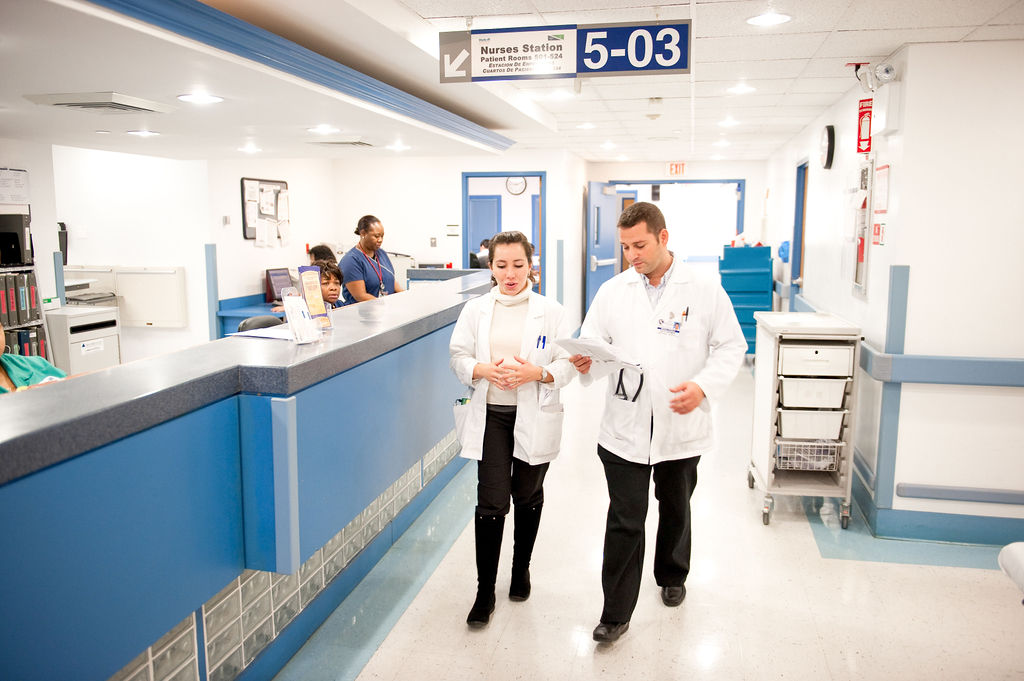
Shadowing a doctor means observing a licensed physician during their daily clinical duties. You follow the doctor through patient consultations, rounds, procedures, and administrative work, watching how decisions are made in real time. It is almost entirely observational. Students do not perform clinical tasks, interact directly with patients in a hands-on capacity, or make medical decisions.
Your role is to watch, ask thoughtful questions when appropriate, and absorb how a working medical professional operates.
Shadowing a doctor is different from clinical volunteering or hands-on clinical experience, where you might take vitals, assist staff, or interact directly with patients. Doctor shadowing sits earlier in the pipeline. It helps to build a practical sense of a clinical context, while clinical volunteering builds skills fit for the workplace.
| Experience Type | Level of Involvement | Typical Setting | Best For |
|---|---|---|---|
| Doctor shadowing | Observational only | Clinicals, hospitals, private practices | Understanding physician roles |
| Clinical volunteering | Limited hands-on tasks | Hospitals, hospices, community clinics | Building patient interaction skills |
| Clinical internship | Structured hands-on training | Hospitals, research settings | Developing applied clinical skills |
| Hands-on clinical experience | Direct patient contact | EMT, CNA, scribe roles | Demonstrating clinical competency |
Takeaway: Medical shadowing is observational by design, and that’s what makes it valuable early in your pre-med path.
Why Should Pre-Med Students Shadow a Doctor?
Gain Real-World Exposure to Healthcare
Textbooks cannot express the challenges and complications that come from a twelve-hour shift. Shadowing a doctor places you inside real clinical environments where you can observe how physicians manage pressures and communication throughout the day. The exposure will often reaffirm or reshape a student’s understanding of the demanding nature of the medical field.
Understand the Day-to-Day Role of a Physician
Clinical performance matters most, but physicians also spend a significant amount of time on coordination and documentation. Shadowing reveals this fuller picture, which is something most pre-med students cannot really encounter until they are already enrolled in medical school.
Explore Different Medical Specialties
Shadowing a cardiologist looks very different from shadowing a pediatrician or an emergency medicine physician. Trying out a few specialties early can save you years of uncertainty later in your training, and shadowing a doctor gives you the perfect distance to explore these.
Strengthen Your Medical School Application
Admissions committees consistently look for evidence that applicants understand the realities of medical practice, not just an interest in becoming a doctor. Shadowing experience on resume sections and personal statements signals that a student has tested their assumptions against real clinical settings before committing to the path. It also gives applicants concrete stories to draw on during interviews, which tends to set a candidate apart from those speaking only in general terms about wanting to help people.
Takeaway: Shadowing builds the kind of firsthand insight that reading alone cannot provide, and it consistently shows up as a meaningful factor in med school applications.


How to Find a Doctor to Shadow?
Finding a doctor to shadow is often the hardest part for students without existing healthcare connections. The good news is there are several practical paths forward, even if you are starting with nothing.
Ask Doctors You Already Know
Start close to home. Hopefully, you have your own physician, or even a family friend in medicine, those are very reasonable first contacts. A personal connection is likely to lead to a fast yes.
Contact Local Hospitals and Clinics
Many hospitals and outpatient clinics have formal shadowing or observer programs. Call the volunteer services or medical education office directly and ask about their process, since requirements could vary by institution and state.
Use Your College or Pre-Med Network
Your school’s pre-health advising office, pre-med club, or career center will often maintain lists of physicians open to shadowing. Upperclassmen who have already secured placements are also a valuable resource for warm introductions.
Explore Medical Shadowing Programs
If personal connections are limited, structured pre-med shadowing programs offer a reliable alternative. These programs pair students with participating physicians and often include several specialties in one placement, which is useful if you have not yet decided on a focus area.
Takeaway: If you do not know where to start, structured programs and school advising offices are just as legitimate a path as personal connections.
How to Ask a Doctor to Shadow Them?
Knowing how to ask a doctor to shadow them well can make the difference between silence and a yes. Physicians are busy, so clarity and professionalism matter more than a long, elaborate message.
What to Include in Your Shadowing Request
A strong request should include:
- A brief introduction (your name, school, and year)
- Why you are interested in shadowing this specific physician or specialty
- Your availability and flexibility
- A clear, polite ask for a specific number of shadowing days or hours
- A thank-you, regardless of the outcome
Tips for Writing a Professional Shadowing Email
Keep the email under 200 words, use a professional subject line, and avoid overly casual language. Proofread before sending, and always address the physician formally unless told otherwise.
SAMPLE EMAIL
Takeaway: A short, respectful, and specific request is far more effective than a lengthy one, and it shows the professionalism physicians expect from future colleagues.
How Many Shadowing Hours Do You Need for Medical School?
There is no established number for how many shadowing hours for medical school are required, since expectations vary by program. That being said, 40 to 100 hours would give any pre-med student a valuable amount of exposure to the field they’re aspiring to practice in.
Quality tends to matter more than raw quantity. Thirty well-reflected hours across varied settings can be more meaningful to an admissions committee than 100 hours in a single, repetitive setting. Always check the specific expectations listed by each program you plan to apply to, since requirements are not standardized across medical schools.
Takeaway: Aim for a solid range within 40 to 100 hours but prioritize variety and reflection over simply maximizing the count.
How to Include Doctor Shadowing on Your Medical School Application?
When describing shadowing on your application, focus on insight rather than hours logged. Admissions readers want to know what you learned, not just where you were.
Structure your description around:
- The specialty and setting you observed
- A specific moment or case that shaped your understanding of medicine
- How the experience influenced your perspective on a medical career
- Any patterns you noticed in physician-patient communication or decision-making
Avoid generic statements like “I learned that doctors work hard.” Instead, describe a specific interaction and what it revealed to you. This kind of reflection is what separates a memorable application entry from a forgettable one, and it is a detail admissions committees notice.
Takeaway: Depth of reflection matters more than the number of hours you list, so write about what the experience taught you, not just that it happened.
Conclusion
Shadowing a doctor is one of the most direct ways for pre-med students to understand what a career in medicine looks like outside of the textbook. From identifying the right physician to writing a professional request and reflecting meaningfully on the experience, each step builds toward a stronger, more informed medical school application.
If you are ready to take the next step toward a career in medicine, explore the 4-Year MD Program at Medical University of the Americas and see how your shadowing experience can translate into a focused, supported path through medical training.
You may also find these resources helpful:
- Pre-Med Master’s Program
- Admission Requirements
- How to Apply
- How to Improve Your Med School Application
FAQs About Doctor Shadowing
No. Shadowing a doctor is designed as an entry point into clinical exposure, so no prior healthcare background is required. Many students complete their first shadowing experience with no clinical history at all.
Yes. Shadowing a doctor as a pre-med student, high schooler, or career changer is common. Physicians and shadowing programs typically welcome students at various stages of their academic journey.
How long you should shadow a doctor for depends on your goals, but most students shadow for several days up to a few weeks per specialty. Spreading time across multiple specialties is generally more valuable than one long placement.
Some medical schools accept virtual shadowing, particularly when in-person options are limited, but policies vary by institution. Always confirm directly with each program’s admissions office before relying on virtual hours.
Shadowing a doctor demonstrates that you understand the realistic demands of medical practice. It also helps confirm your interest in medicine before committing years and significant resources to the path.
Generally, no. Shadowing a doctor is an observational task, while clinical experience includes direct patient interaction. Admissions committees typically view them as separate categories.
Useful Links
MUA is committed to supporting prospective students throughout the admissions process. Please click the following links for detailed information about each topic: