
What Are the Different Types of Doctors and What Do They Do?
Explore specialty options for future physicians in the MUA MD program.
Doctors are essential to the field of healthcare, providing invaluable services that keep individuals and communities healthy. There are many different types of doctor specialties to address the diverse needs of patients around the world, meaning there is a wide variety of medical fields to choose from for future physicians.
Understanding the different types of medical doctors and what they do is essential for those planning to enter a 4-year MD program and pursue a career in medicine. This blog will explore the roles of various medical specialties, breaking them down into three main categories: primary care physicians, specialists and surgeons.
Whether you’re interested in becoming a physician yourself or want to understand the healthcare system better, learning about these different types of physicians will give you a clearer picture of what different kinds of doctors do.
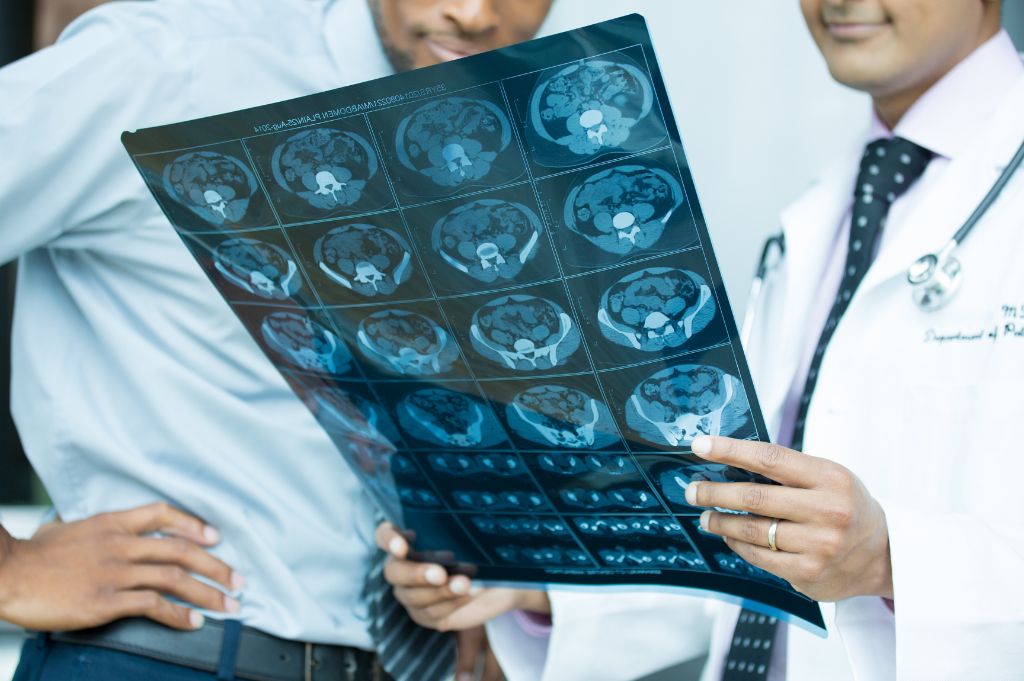

Understanding the Different Types of Doctors in Healthcare
Primary Care Physicians
Primary care physicians (PCPs) serve as the first point of contact for patients seeking medical support. They provide comprehensive care, focusing on prevention, diagnosis and treatment of common conditions. These doctors are essential for coordinating patient care and can refer patients to specialists if needed.
Family Medicine Doctors
Family medicine doctors, also known as general practitioners, are among the most versatile of all primary care physicians. They are trained to provide care for patients of all ages, from newborns to the elderly. These physicians diagnose and treat a wide range of conditions, from acute illnesses like infections and injuries, to chronic diseases such as diabetes and hypertension. They also perform routine check-ups, vaccinations and health screenings. Family doctors often form long-term relationships with their patients, offering personalized, comprehensive care over a lifetime.
Pediatricians
Pediatricians specialize in the health and medical care of infants, children and adolescents. Notably, their role extends beyond treating illnesses – they also monitor a child’s growth, development and behavioral health. Pediatricians are instrumental in early diagnosis of developmental delays, congenital conditions and childhood diseases. Given their focus on younger patients, pediatricians also guide parents through important health decisions like immunizations, nutrition and mental health. They often work closely with specialists to manage complex childhood conditions and ensure holistic care.
Internists
Internists, or internal medicine doctors, focus on adult health. These physicians treat a wide range of conditions, from common ailments like infections to more complex diseases like diabetes and heart disease. While family doctors treat patients of all ages, internists typically concentrate on adults, making them experts in adult chronic disease management. Many internists go on to subspecialize in specific areas of internal medicine, such as cardiology or gastroenterology.
Specialists
While primary care physicians manage general health concerns, specialist doctors focus on specific systems, organs or medical conditions. These types of doctors have additional training and expertise in a particular field, allowing them to diagnose and treat more complex or specialized conditions.
Cardiologists
Cardiologists specialize in heart and cardiovascular health. They diagnose and treat conditions like heart disease, hypertension, arrhythmias and heart failure, and perform procedures like stress tests, echocardiograms and angioplasties. Cardiologists play a key role in managing chronic heart conditions, helping patients improve their quality of life through medications, lifestyle changes and advanced procedures.
Dermatologists
Dermatologists specialize in skin, hair and nail conditions. From treating acne and eczema to diagnosing skin cancer, dermatologists handle a wide range of issues. They also perform cosmetic procedures, such as laser treatments and Botox injections. Because skin health can reflect overall wellness, dermatologists often collaborate with other doctors to address underlying health problems.
Neurologists
Neurologists focus on the brain, spinal cord and nervous system. They diagnose and treat conditions such as epilepsy, multiple sclerosis, Parkinson’s disease, migraines and strokes. Neurologists use diagnostic tools such as MRI scans and electroencephalograms (EEGs) to detect and treat neurological conditions.
Ophthalmologists
Ophthalmologists are medical doctors who specialize in eye and vision care. Unlike optometrists, ophthalmologists can perform surgeries, including cataract removal and corrective laser surgery. They manage conditions like glaucoma, macular degeneration and diabetic retinopathy, helping preserve and improve patients’ vision.
Obstetricians and Gynecologists (OB/GYNs)
OB/GYNs specialize in women’s reproductive health, from adolescence through menopause and beyond. Obstetricians focus on pregnancy, childbirth and postpartum care, while gynecologists manage broader women’s health issues, including menstrual disorders, hormonal imbalances and reproductive health. Many OB/GYNs combine both roles, offering comprehensive care for women.
Endocrinologists
Endocrinologists specialize in the endocrine system, which includes glands that regulate hormones. They treat conditions such as diabetes, thyroid disorders, metabolic issues and osteoporosis. Endocrinologists often manage chronic conditions that require long-term monitoring and hormone therapies.
Gastroenterologists
Gastroenterologists diagnose and treat diseases related to the digestive system, including the esophagus, stomach, liver, pancreas, intestines and colon. Common conditions treated by gastroenterologists include irritable bowel syndrome (IBS), Crohn’s disease, ulcerative colitis and liver diseases like hepatitis. Gastroenterologists perform endoscopic procedures like colonoscopies to examine and treat digestive tract issues.
Nephrologists
Nephrologists are specialists in kidney health. They diagnose and treat kidney diseases, manage dialysis for patients with kidney failure and monitor patients with conditions like hypertension that affect kidney function.
Pulmonologists
Pulmonologists focus on lung and respiratory conditions. They diagnose and treat illnesses like asthma, chronic obstructive pulmonary disease (COPD) and pneumonia. Pulmonologists are crucial in managing patients with long-term respiratory conditions and often collaborate with critical care specialists in treating severe cases.
Otolaryngologists
Also known as ear, nose and throat (ENT) doctors, otolaryngologists treat a range of conditions affecting these areas. From chronic sinus infections and tonsillitis to hearing loss and balance disorders, they diagnose and perform surgeries to improve patients’ quality of life.
Psychiatrists
Psychiatrists are medical doctors who specialize in mental health, including the diagnosis, treatment and prevention of mental illnesses. They can prescribe medications and provide therapy for conditions such as depression, anxiety, bipolar disorder and schizophrenia. Unlike psychologists, psychiatrists are licensed to prescribe medications.
Oncologists
Oncologists specialize in diagnosing and treating cancer. They often work in multidisciplinary teams, coordinating care with surgeons, radiologists and other specialists to manage a patient’s cancer journey from diagnosis through treatment and into remission or palliative care. There are different types of oncologists, such as medical, surgical and radiation oncologists, each focusing on a specific aspect of cancer treatment.
Radiologists
Radiologists use imaging techniques such as X-rays, MRIs and CT scans to diagnose and monitor diseases. Their role is crucial in providing accurate imaging reports to guide other physicians and surgeons in treatment plans. Some radiologists specialize in interventional radiology, performing minimally invasive procedures using imaging technology.
Rheumatologists
Rheumatologists treat autoimmune and inflammatory diseases like rheumatoid arthritis, lupus and gout. These conditions often involve chronic pain and joint damage, and rheumatologists work to manage symptoms and slow disease progression.
Anesthesiologists
Anesthesiologists are responsible for managing pain and sedation during surgeries. They administer anesthesia and monitor patients during surgical procedures to ensure safety and comfort. Beyond surgery, anesthesiologists also manage chronic pain conditions and provide critical care in emergency situations.
Geriatricians
Geriatricians specialize in the care of older adults, managing age-related conditions like dementia, osteoporosis and frailty. They focus on improving the quality of life and providing compassionate, patient-centered care for elderly patients.
Surgeons
Surgeons perform operations to treat diseases, injuries and deformities. Their roles demand high levels of precision and skill, as they are responsible for both life-saving surgeries and elective procedures that improve quality of life. There are several different types of surgeons, covering a range of different surgical disciplines.
Orthopedic Surgeons
Orthopedic surgeons focus on the musculoskeletal system, performing surgeries to repair broken bones, replace joints and treat conditions like arthritis and sports injuries. They are often involved in complex reconstructions and joint replacements.
Cardiac Surgeons
Cardiac surgeons focus on surgeries of the heart and surrounding vessels. Common procedures include coronary artery bypass grafting, valve repair and heart transplants. Cardiac surgeons often work in emergency settings, performing life-saving operations on patients with heart disease.
Neurosurgeons
Neurosurgeons specialize in surgical procedures involving the brain, spinal cord and nervous system. They perform intricate surgeries to treat conditions such as brain tumors, spinal cord injuries and chronic pain conditions. Neurosurgery is one of the most complex surgical specialties, requiring precision and skill to address critical neurological conditions.
Plastic Surgeons
Plastic surgeons perform both reconstructive and cosmetic procedures. Reconstructive surgery includes procedures such as repairing cleft palates and breast reconstruction after cancer surgery. Cosmetic surgery includes procedures like rhinoplasty and facelifts.
For more information about the educational journey of a future surgeon, check out this video testimonial from Medical University of the Americas (MUA) alum Sheldon Vogt, MD:
At MUA, we’re proud to help our students pursue their medical career passions, whether as a primary care practitioner, specialist or surgeon!
Want to Learn More?
Contact our admissions team to learn more about MUA pathways to practice.
Training and Education Pathways
Becoming a doctor requires a structured, multi-stage journey that combines academic study with hands-on clinical training. The exact timeline varies by country and specialty, but the pathway generally follows the same progression.
It would typically begin with a four year undergraduate degree focused on sciences, such as biology and chemistry, followed by a 4-year MD program in medical school. At MUA, our MD program spans 10 semesters, divided equally between Basic Science and Clinical Medicine.
After medical school, Doctors of Medicine will complete supervised training – known as residency – where they gain hands-on experience in a specific medical specialty. This can last between three and seven years, depending on the chosen specialty. Different types of doctors may also pursue additional fellowship training after completing residency, to gain advanced expertise in relevant subspecialties.
Importantly, even after completing residency and all licensure requirements, medical doctors must continue to focus on professional development throughout their careers to stay current on modes of treatment and maintain high standards of care.
How to Choose the Right Medical Specialty
Choosing the right medical specialty takes time; start by assessing your interests, strengths and long-term goals. Then consider broader areas like patient population, work-life balance, types of clinical environments you may prefer, and procedural vs. consultative work.
Before medical school, shadowing or interning in different departments will give you a firsthand look at the daily responsibilities of a practicing physician. If possible, ask questions and seek mentorship from medical doctors who can offer honest perspectives on the realities of their own specialty.
During medical school, clinical rotations provide students with real experiences in specific specialties. At MUA, successful students will complete 42 weeks of core rotations in internal medicine, surgery, OB/GYN, pediatrics and psychiatry. Then, based on their experiences, goals and personal desires, they undertake 30 weeks of elective rotations in specialties they may wish to pursue in residency.
Whatever specialties you are considering, remember to research the lifestyle, training length and career opportunities in each field. Balancing passion with practical factors will help you select an area that aligns with your skills and professional goals.
Conclusion
Understanding the different types of doctors and what they do can help you navigate the healthcare system more effectively or choose the right path as a future physician.
If you’re committed to becoming a medical doctor and are inspired by one or more of the roles listed above, MUA can help you get there! Our MD program provides a rigorous and comprehensive education that will help equip you with the knowledge and skills to make a successful impact in healthcare.
If you’re interested or have any questions, please contact us or explore how to apply.
FAQs About Different Kinds of Doctors
The difficulty level associated with becoming different kinds of doctors often depends on the specialty, with neurosurgeons, cardiac surgeons and other highly specialized fields requiring the longest training and most rigorous residency programs. These specialties involve complex procedures and high-risk situations, which necessitates undertaking many demanding years of education and hands-on experience. Neurosurgery, in particular, is known to be one of the most challenging due to the intricacies of brain and spinal cord surgeries.
Some of the most in-demand doctor specialties include primary care physicians, especially family medicine doctors and internists, as well as specialists in fields like cardiology, orthopedics, psychiatry, oncology and anesthesiology. These specialties address some of the most prevalent health concerns in the world today, such as heart disease, mental health, cancer and surgical needs, making them critical in all international healthcare systems.
A primary care physician (PCP) is a doctor who provides general healthcare services, including preventive care, health education and treatment for common illnesses. PCPs, such as family doctors, pediatricians and internists, are usually the first doctors patients see for non-emergency issues. Specialists, on the other hand, focus on a specific area of medicine, diagnosing and treating more complex or specific conditions. PCPs often refer patients to specialists for advanced care.
Orthopedic surgeons, cardiac surgeons and neurosurgeons are often among the highest-paid doctors due to the complexity and risk associated with their procedures. Other highly compensated specialties include anesthesiologists and plastic surgeons. Compensation can vary based on location, demand and experience.
Useful Links
MUA is committed to supporting prospective students throughout the admissions process. Please click the following links for detailed information about each topic: